Freelancing 101
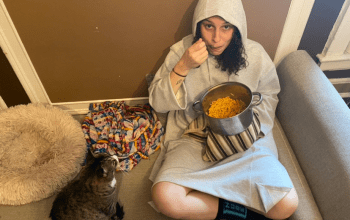
Freelancing can be messy, just like the clothes on my bed in this photo. I started this blog in 2015 to document a year-long social experiment: no booze for my 30th year. I had a few pieces published before that, but I had never been paid for my words at that point (unless you count concert tickets and free products as payment). It took me years of blogging to feel confident enough in my voice to pitch to major sites. Then it took even more time to develop the confidence to ask for money. I used to celebrate getting paid $75 for a 1,000-word piece. Now I know that’s a very low rate for that many words.
While it’s nice to get paid for my writing as a freelancer, there’s a great deal of stress (and bullshit) that comes along with it. I’ve learned a bit about the publishing world and want to share some insights with you. Here are a few tips that have helped me get more pieces published and stay sane(ish) along the way:
Become a Twitter Pro
OK maybe not a pro, but seriously…get on Twitter. As a writer, Twitter is like your coworker who’s a little annoying but always has good info. Follow other writers and editors who are looking for source requests or interviews or literally anything - you could be the one they’re looking for. If you don’t know who to follow: find an article that you love, click the byline (the name of the author who wrote it), and that will usually link to the writer/editor’s Twitter page. From there, other similar accounts will pop up. Follow them all! Refinery 29 and Man Repeller featured some of my work just from me interacting with popular tweets.
Digitally Stalk Editors - Then Respect Their Time
Editors are frequently tweeting about what content they’re looking for. Check the masthead in print magazines or websites to discover who the editors are for each department. Then look them up on Twitter. Again, follow them all! Engage with their tweets by liking or commenting. This could help them become familiar with your name. They may even follow you back! Freelancing has given me such tremendous respect for editors. They all need raises - and so do writers. Unless an editor specifies that they want pitches sliding into their DMs, stick to pitching via email.
Learn How to Pitch
There’s an art to crafting the perfect pitch. Don’t overthink it, but don’t take it too lightly. Think of this as the elevator pitch version of your Shark Tank moment. You have about 5-10 (ish) sentences to sell your creation to the “Mark Cuban” of your favorite site. Just below the pitch itself, include links to some of your previously published work (blog posts count!). This helps the editor get an idea of your writing style. Also, don’t get your feelings hurt if they don’t accept your pitch or you don’t hear back at all. This how it all works. Don’t be afraid to follow up with the editor in a few days! Check out Tim Herrera’s brilliant pitching guide.
Know Your Niche
Call it a brand, a niche, whatever. Over the last four years, I’ve developed the “brand” that I call Sex. Sobriety. Rock n Roll. This means that most of what I write about, podcast about, and get booked for public speaking gigs for falls under those three topics. Having a strong brand resonance helps me hone in on my writing voice which in turn helps me get pieces picked up by major sites like Playboy and HuffPost. P.S. Your niche can change or evolve just like you do.
Know Your Worth
Like I mentioned earlier, I wrote so much content for free that getting paid $50 to $75 felt like a lot. Be careful how much time you spend on low-paying (and no-paying) gigs. I’ve done the math and realized that some of my low-paying jobs result in me making under $10 an hour. Like with any line of work, there are some jobs that are worth taking for little to no money because of the byline or networking opportunities or altruism. But you need to know when to draw the line. Every time one of my pitches gets picked up, that celebratory “YAY!” is halted by the reality of the business side of stating my rate. I’ve had to learn how to negotiate between what I deserve to be paid vs. what the magazine or website’s budget can afford. Oh, and be prepared to track down the site or magazine’s accounting folks for payment. I’m still waiting on a kill-fee from
Start a Group Chat
I have a group chat with two other NYC-based writers named Gabby and Morgan. We are a steady resource for each other and somewhat of a writer’s support group. Friends, family, roomies, and partners are always nice to bounce ideas off of, but having people in your field to discuss the rollercoaster of writing life can be a saving grace. Connect with other writers through writing classes, literary events, and social media. (You can still connect with folks during virtual events!) Our group chat comes in handy when we need advice on how to negotiate rates, how to reply to an editor, or anything else writing-related.
I’ve taken a break from teaching online writing classes to focus on one-on-one writing coaching and editing. If you want to work together on essays, blogs, pitching to editors, podcast development, freelancing advice or anything else in that realm, email me at [email protected]. You can also check out my other blog posts about writing: How to Start a Blog, Build a Following, and Make Some Money and Making My Mess Into a Memoir.
All photos by Robert Riese Photography
Tawny is an NYC-based writer, blogger, public speaker, podcaster who’s passionate about sex, sobriety, and rock n roll. Follow her on Instagram and Twitter.
Read Tawny’s published words in Playboy, Men’s Health, Huffington Post, The Temper, Audiofemme, and more. Tawny shared her recovery story on stages all across the world: IOGT World Congress, New York State Recovery Conference, and United Federation of Teachers.
In addition to writing and public speaking, she’s the founder of the Readings on Recovery™ reading series, her blog, SobrieTea Party™, and co-host of Recovery Rocks podcast with Lisa Smith. She’s also a charity volunteer with Road Recovery and an award-winning filmmaker of the recovery documentary, Fixed Up.